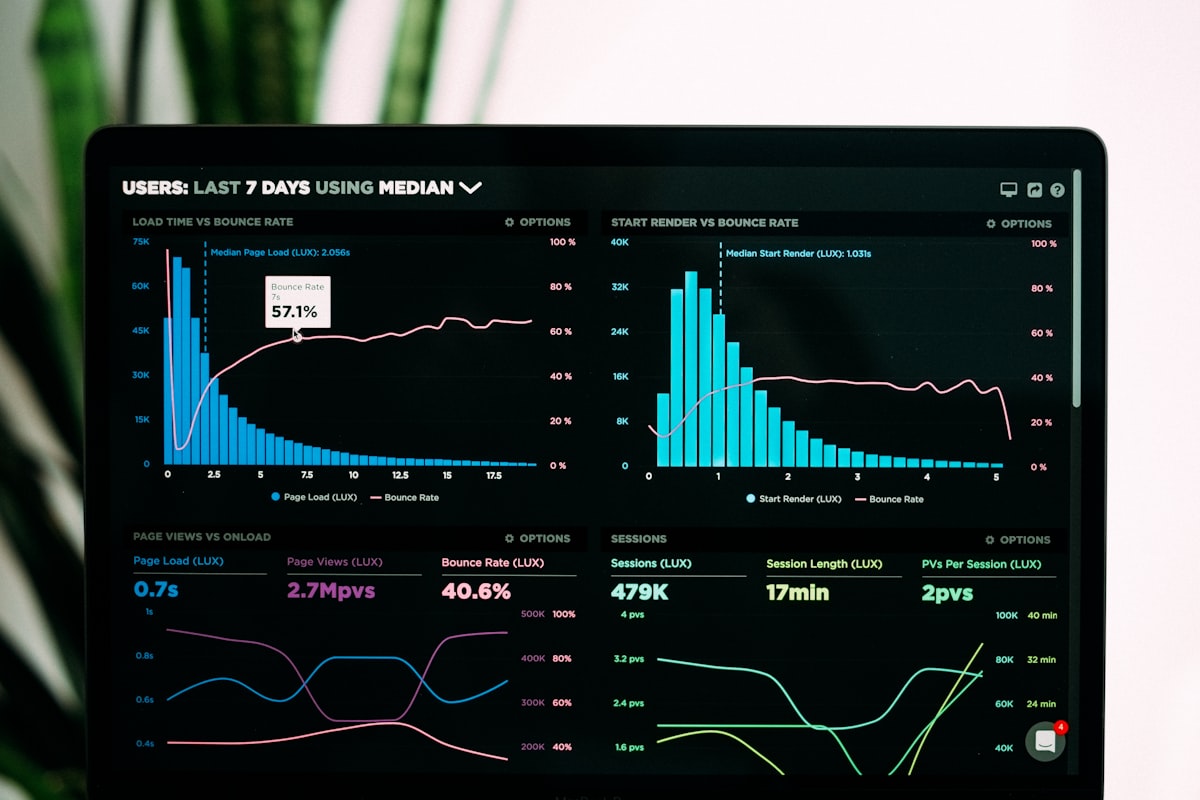
DOOH measurement has long been the Achilles heel of out-of-home advertising. Marketers love the reach, the creative impact, and the brand-building power of digital screens — but when it's time to justify the budget, questions about ROI have historically been met with shrugs. That's changing fast. In 2026, the tools and methodologies to measure the true ROI of DOOH campaigns are more sophisticated than ever, and Australian advertisers who aren't using them are leaving serious insight — and money — on the table.
Why Traditional DOOH Measurement Falls Short
For decades, out-of-home advertising was measured primarily by one metric: impressions, derived from static traffic count data and panel audits. While reach and frequency remain foundational, they tell you almost nothing about whether your campaign actually moved the needle. Did it drive footfall to your store? Did it lift brand recall? Did it contribute to a purchase? These are the questions that matter to modern marketers — and they require a fundamentally different measurement approach.
The shift to programmatic DOOH has been a major catalyst for better measurement. Because pDOOH campaigns are bought and managed digitally, they generate rich data signals that traditional OOH never could. Every impression served is logged, timestamped, and tied to a screen location. That data forms the foundation for a new generation of attribution methodologies.
The Four Pillars of DOOH ROI Measurement
A comprehensive DOOH measurement strategy rests on four complementary pillars, each answering a different question about campaign impact:
Brand Lift Studies — measuring shifts in awareness, consideration, and purchase intent among exposed vs. unexposed audiences
Footfall Attribution — tracking whether people exposed to a DOOH ad subsequently visited your physical location
Sales Attribution — correlating DOOH exposure with actual transaction data, particularly valuable for FMCG and retail brands
Digital Halo Effect — measuring increases in branded search, website traffic, and app downloads following a DOOH burst
No single methodology tells the whole story. The most sophisticated advertisers in the ANZ market are combining two or more of these approaches to triangulate true campaign impact across the full funnel.
Brand Lift Studies: Benchmarks for the ANZ Market
Brand lift studies have become the gold standard for measuring DOOH's upper-funnel impact. In a well-structured study, a panel of consumers is split into exposed and control groups — those who did and didn't encounter the campaign in the real world — and surveyed on key brand metrics. The lift in awareness, recall, or purchase intent between the two groups represents the campaign's measurable brand impact.
In the Australian market, well-executed DOOH brand lift studies consistently show awareness lifts of 8–15 percentage points for new campaigns and 4–8 points for established brands building on existing equity. Purchase intent lifts of 5–10 points are achievable for campaigns with strong creative and strategic screen placement. These benchmarks vary significantly by category — FMCG, automotive, and financial services each have distinct response patterns — so it's important to work with partners who have category-specific data.
Footfall Attribution: Connecting Screens to Stores
Footfall attribution has matured rapidly over the past two years, thanks to improvements in location intelligence data and the increasing availability of mobile movement data in Australia. The methodology works by identifying devices that were in proximity to active DOOH screens during campaign windows, then tracking whether those devices subsequently visited target locations such as retail stores, dealerships, or venues.
When executed rigorously with proper control groups and statistically significant sample sizes, footfall attribution can be remarkably precise. Australian retailers are seeing footfall uplifts of 3–7% attributable to well-targeted DOOH campaigns, with particularly strong results in categories where the DOOH screen is physically close to the point of purchase — convenience retail, quick-service restaurants, and shopping centre brands being prime examples.
The conversation has shifted. Our clients used to ask 'how many people saw the ad?' Now they ask 'how many people came through the door?' DOOH measurement in 2026 can answer both questions — and everything in between. — Eric Fan, CEO, Lumos
Sales Attribution: The Holy Grail for FMCG
For FMCG brands, the most compelling form of DOOH measurement is direct sales attribution — correlating screen exposure with supermarket scanner data or loyalty programme transactions. This is now possible in Australia through partnerships between DOOH platforms, mobility data providers, and retail media networks.
The approach uses aggregated and privacy-compliant transaction data to identify whether households or device cohorts exposed to a DOOH campaign showed a measurable uplift in product purchases compared to matched unexposed cohorts. The data pipeline is complex, but the output is simple and powerful: a clear sales return on advertising spend (ROAS) figure that speaks directly to the C-suite. Early studies in the Australian market have demonstrated DOOH sales ROAS figures in the range of 2x to 4x for well-targeted campaigns — figures that are highly competitive with digital channels.
The Digital Halo Effect: DOOH's Impact on Online Behaviour
One of the most underappreciated ROI signals for DOOH is its effect on digital behaviour. Multiple studies have shown that DOOH exposure drives meaningful increases in branded search queries, direct website visits, and app downloads — often referred to as the 'digital halo effect.' This cross-channel amplification is particularly significant for brands running coordinated DOOH and digital campaigns, where DOOH drives awareness and intent that is then captured through performance digital channels.
Measuring the digital halo requires coordination between your OOH and digital teams — or a platform that can track both. By comparing branded search volume and website traffic in areas with high DOOH exposure against control markets, you can quantify the digital lift attributable to your out-of-home activity. It's one of the most convincing arguments for including DOOH in an integrated media plan.
Building Your DOOH Measurement Framework
The biggest mistake brands make with DOOH measurement is treating it as an afterthought — something to figure out after the campaign runs. Measurement should be built into the brief from day one. Here's a practical starting framework:
Define your KPIs before you buy — decide whether this campaign is primarily driving awareness, footfall, or sales, and choose your measurement methodology accordingly
Set up control groups — whether for brand lift, footfall, or sales attribution, a clean control group is essential for any defensible result
Align on sample sizes — especially for brand lift studies, ensure your campaign has sufficient reach to generate statistically significant results
Plan your data partnerships in advance — footfall and sales attribution require data provider agreements that take time to set up
Combine methodologies — use at least two measurement approaches to triangulate your result and provide a fuller picture of campaign impact
The Australian DOOH market is maturing quickly, and measurement standards are evolving to match. Platforms like Lumos are making it easier for brands and agencies to access integrated measurement solutions that connect impression data with real-world outcomes — no PhD required. The advertisers who invest in rigorous DOOH measurement today are not just proving ROI; they're building the institutional knowledge to optimise every campaign that follows.
Ready to build a DOOH measurement framework for your next campaign? Talk to the Lumos team about attribution solutions tailored for the ANZ market. Visit spotlumos.com or reach out directly to explore what's possible.